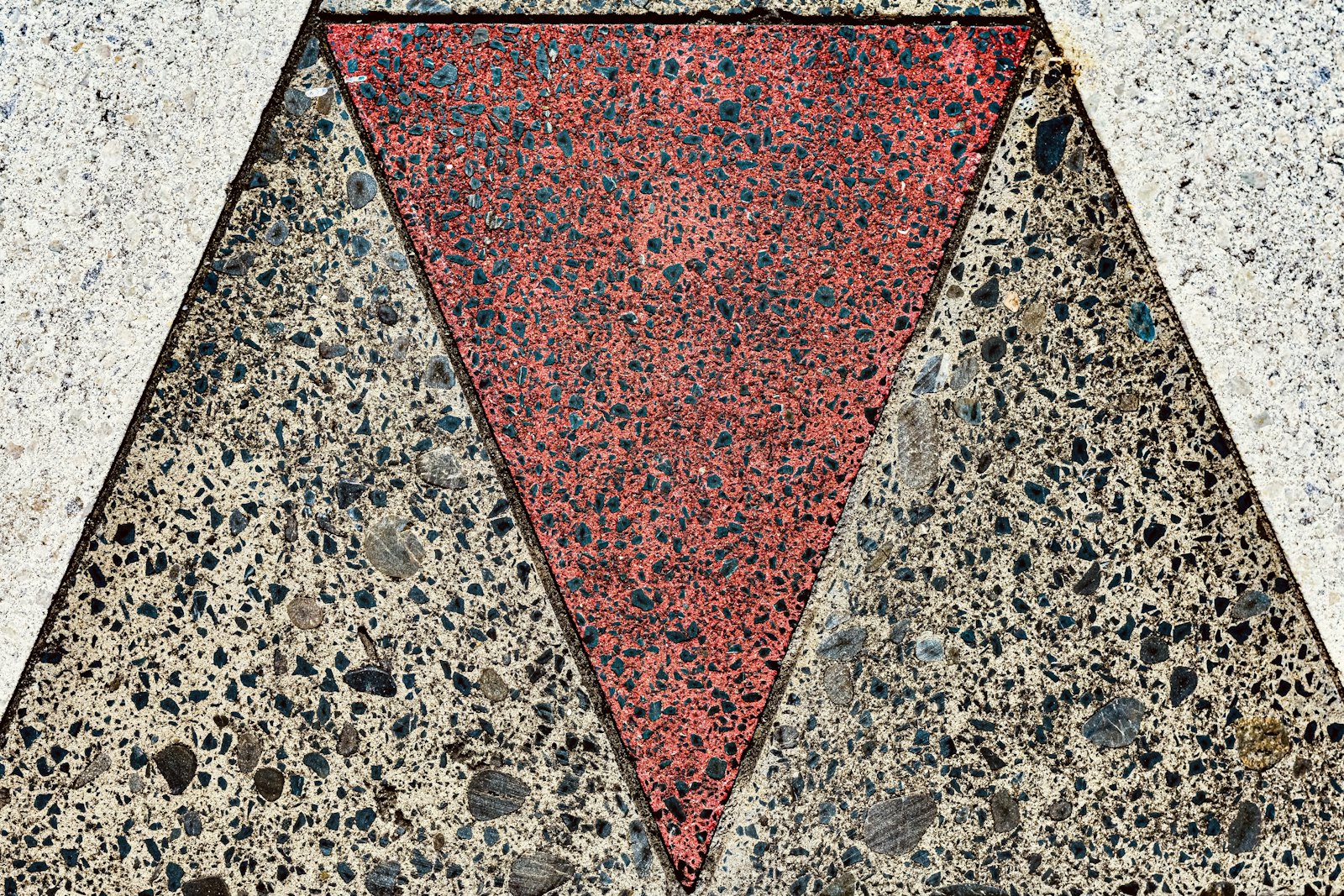
 Polished aggregate with an inlay
Decorative concrete · Savannah, GA
Surfaces with a point of view.
Stamped courtyards, stained and polished floors, and cast countertops for homes and studios around Savannah, chosen like a material, finished by hand.
(01)Approach
Concrete takes color the way old plaster does: a little differently every time. We show you the range before we pour, so the result is a surprise only in the good way.
Outside, that means stamped courtyards, walks and pool decks. Inside, stained, polished and overlaid floors, plus countertops cast to fit.
In business since
2009Where we work
Savannah, Pooler, Richmond Hill and Tybee Island(02)Finishes
Five finishes, honestly explained
Every one starts as plain grey concrete. Here is what each finish does, where it works and what to know before choosing.
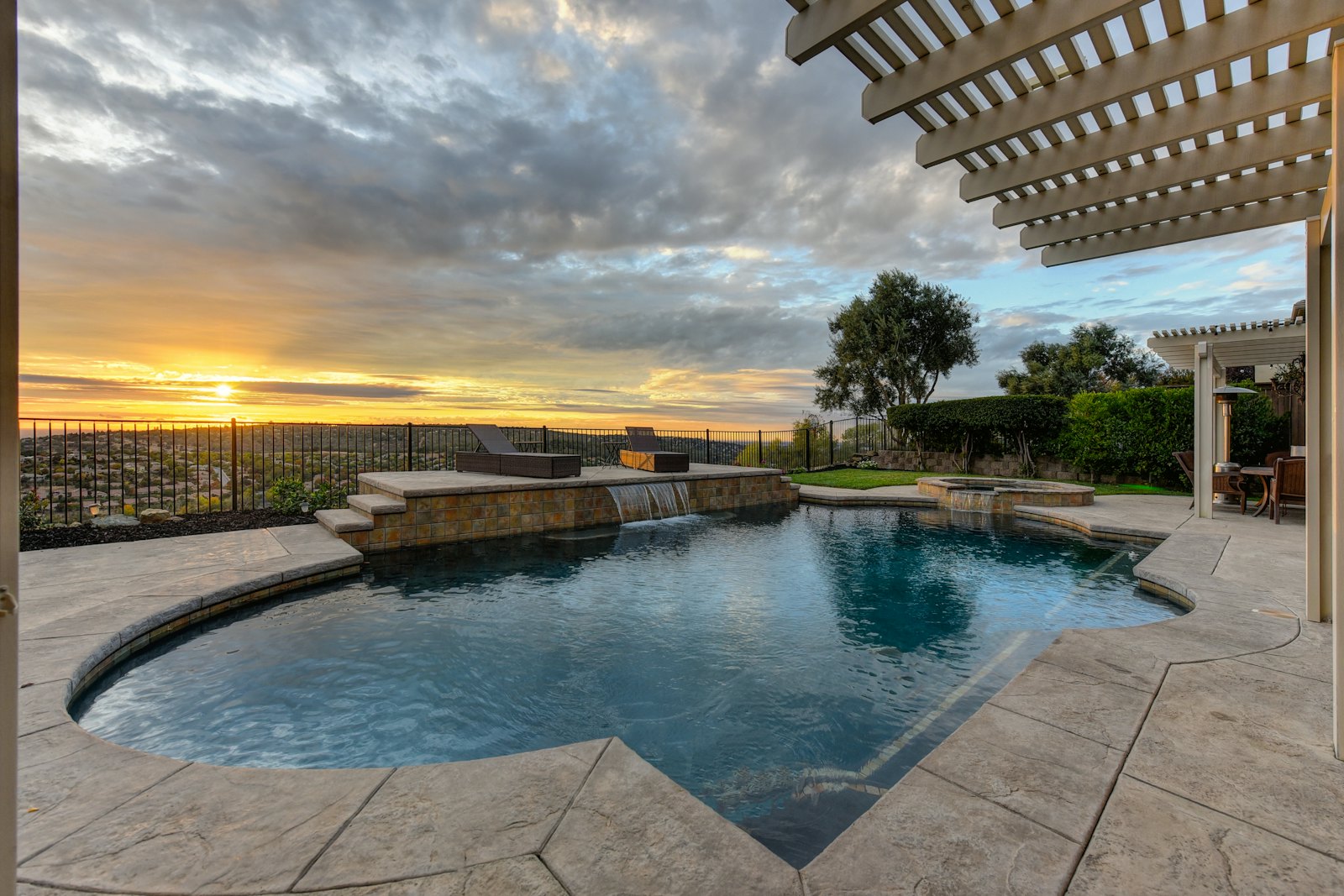
Stamped
Patterns are pressed into the fresh concrete with flexible mats, then colored and antiqued so the joints read like stone, brick or timber.
Where it works
Patios, walkways and driveways.
Good to know. Stamped concrete is still concrete. Control joints are placed along the pattern where possible, so any cracking follows a line that was planned.
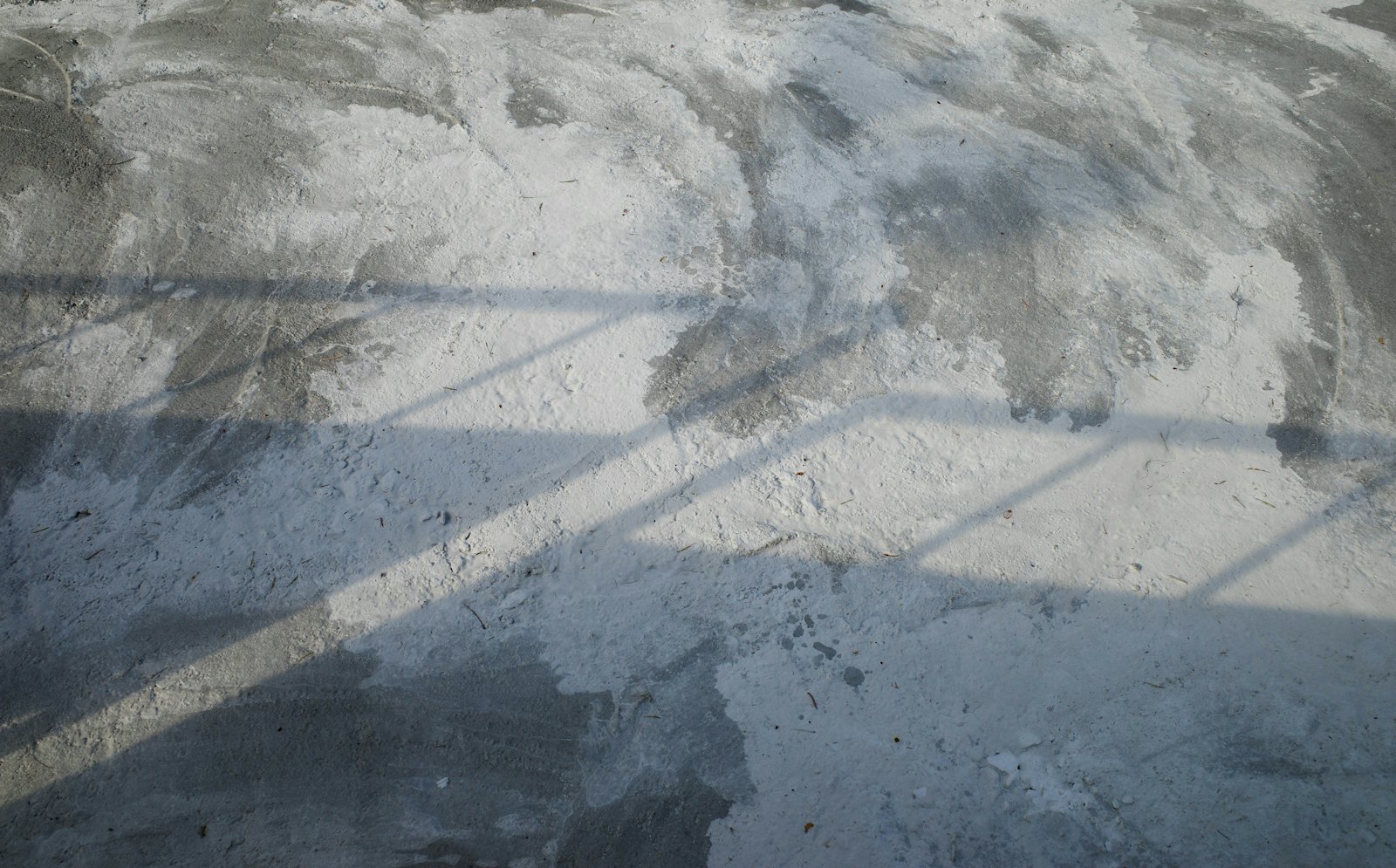
Stained
Acid stain reacts with the lime in the concrete for a mottled, variegated tone. Water-based stains and dyes give more even, predictable color. Integral color tints the whole mix; a cast-on color hardener tints just the surface.
Where it works
Interior floors and patios.
Good to know. No two stained slabs look alike. A sample shows the family of color, not the exact result.
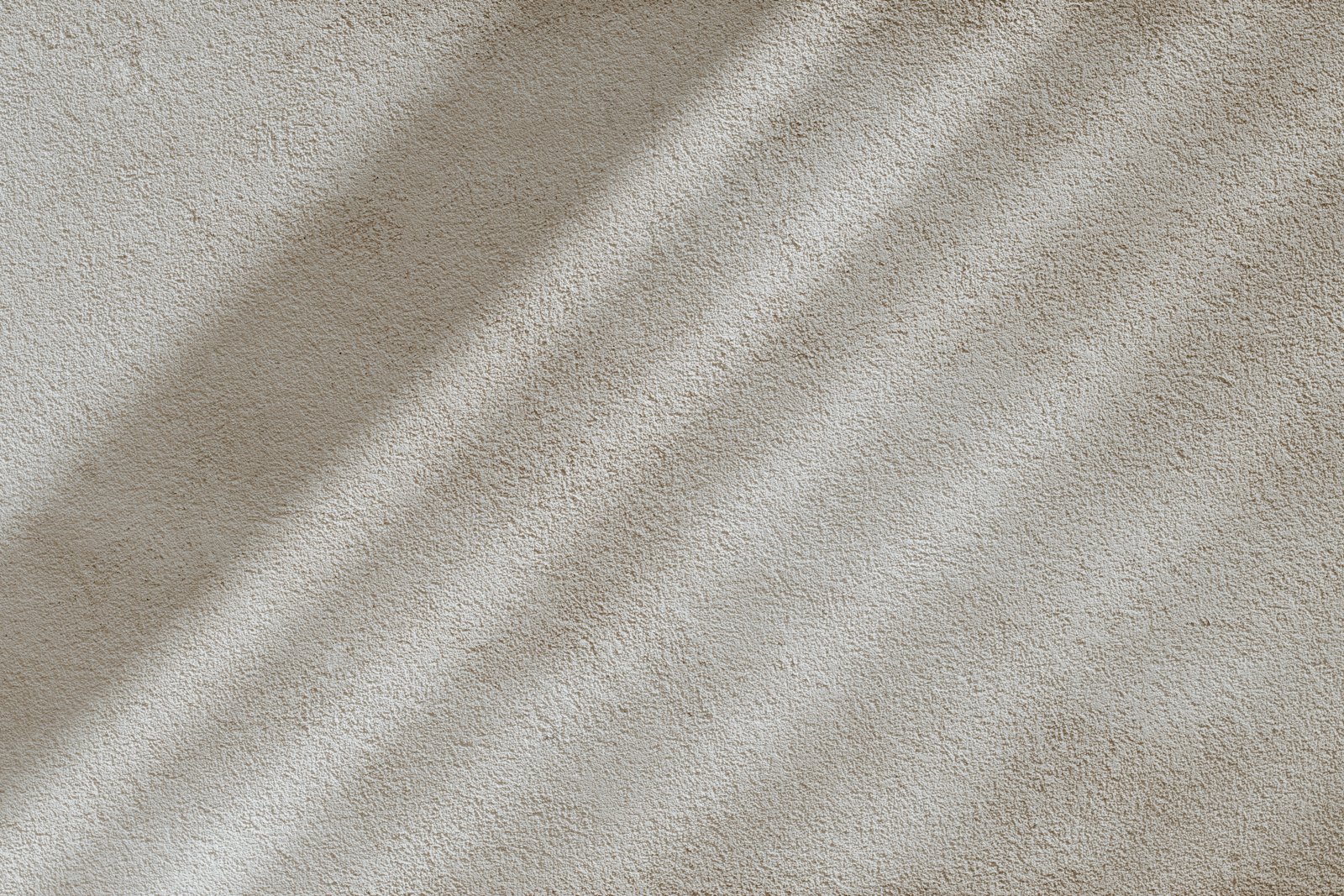
Overlays
A thin decorative layer that bonds to sound existing concrete: a new surface, color and texture without replacing the slab.
Where it works
Tired patios and walks, interior floors, older slabs that are structurally sound.
Good to know. An overlay is only as good as the slab beneath it. Movement and wide cracks need fixing first.
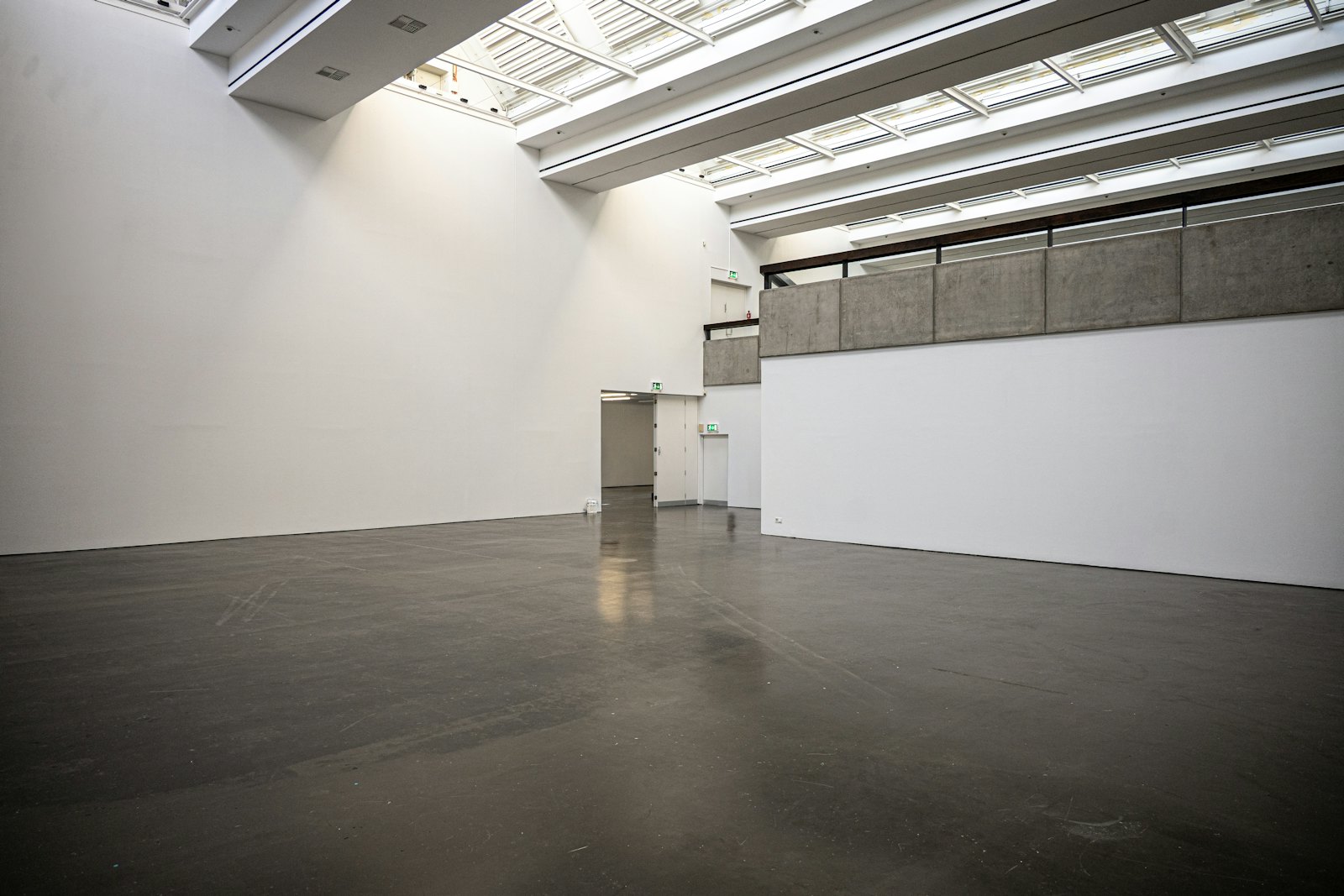
Polished
The slab itself is ground and honed through finer and finer grits until it reflects light. No coating to peel; the floor is the finish.
Where it works
Interior floors, basements, studios and shops.
Good to know. How much stone shows depends on how deep the grind goes, so agree the look on a test area first.
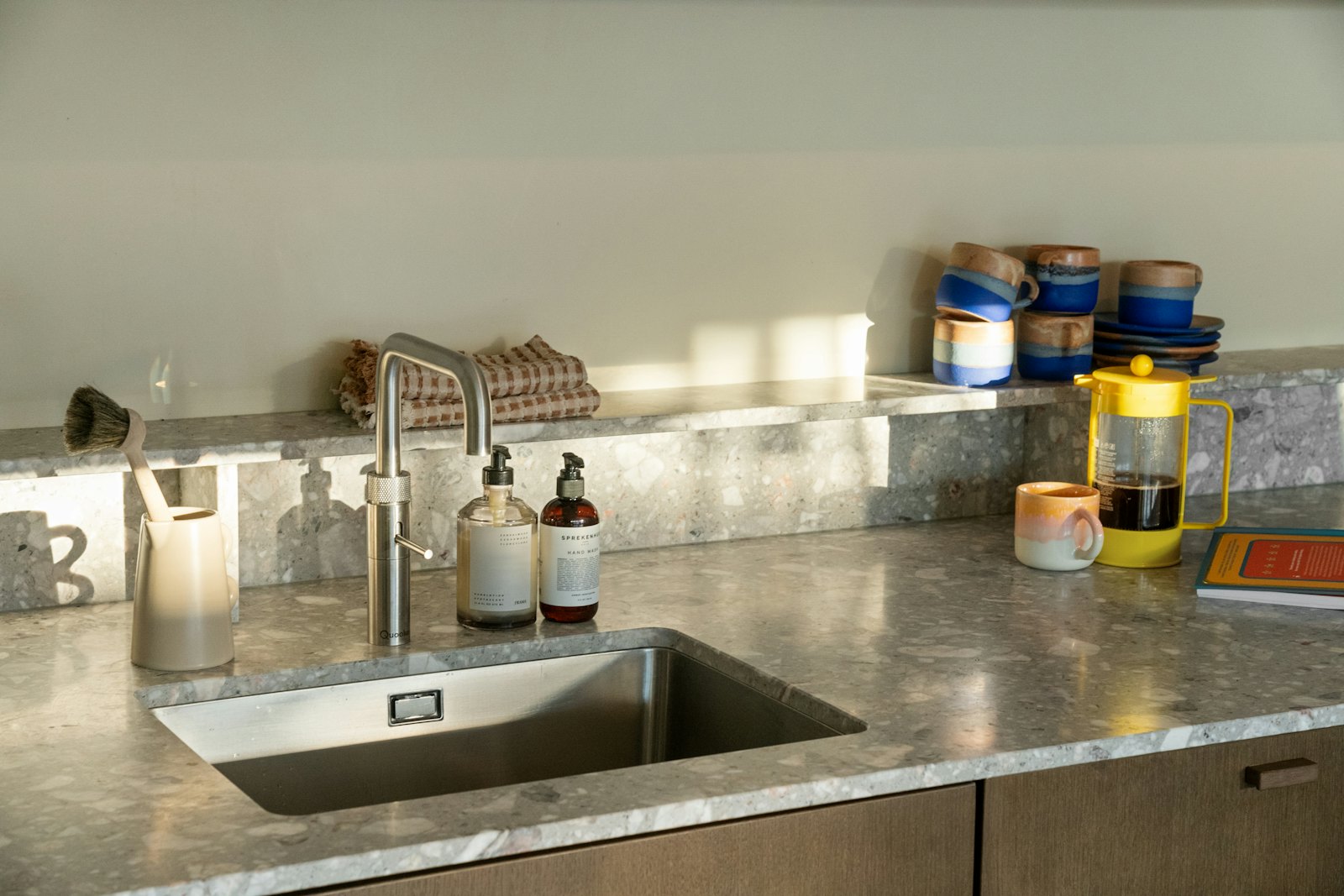
Countertops
Cast to fit, then ground, sealed and finished. Concrete counters feel solid and quiet, and they age with a soft patina.
Where it works
Kitchens, baths, bars and outdoor kitchens.
Good to know. Sealed concrete resists stains, but acids like lemon juice, wine and vinegar can still etch the surface. Wipe spills quickly.
(03)Gallery
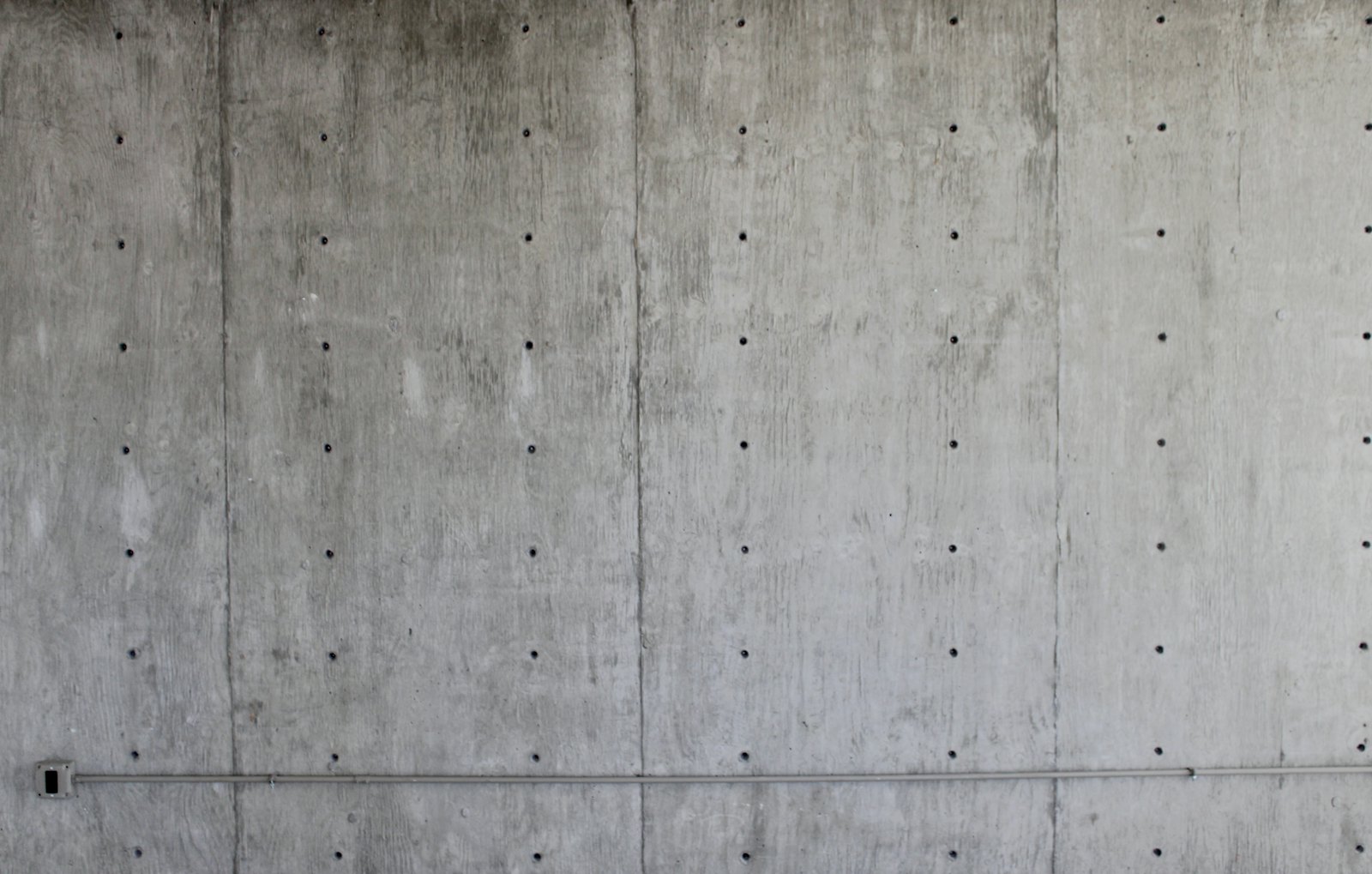
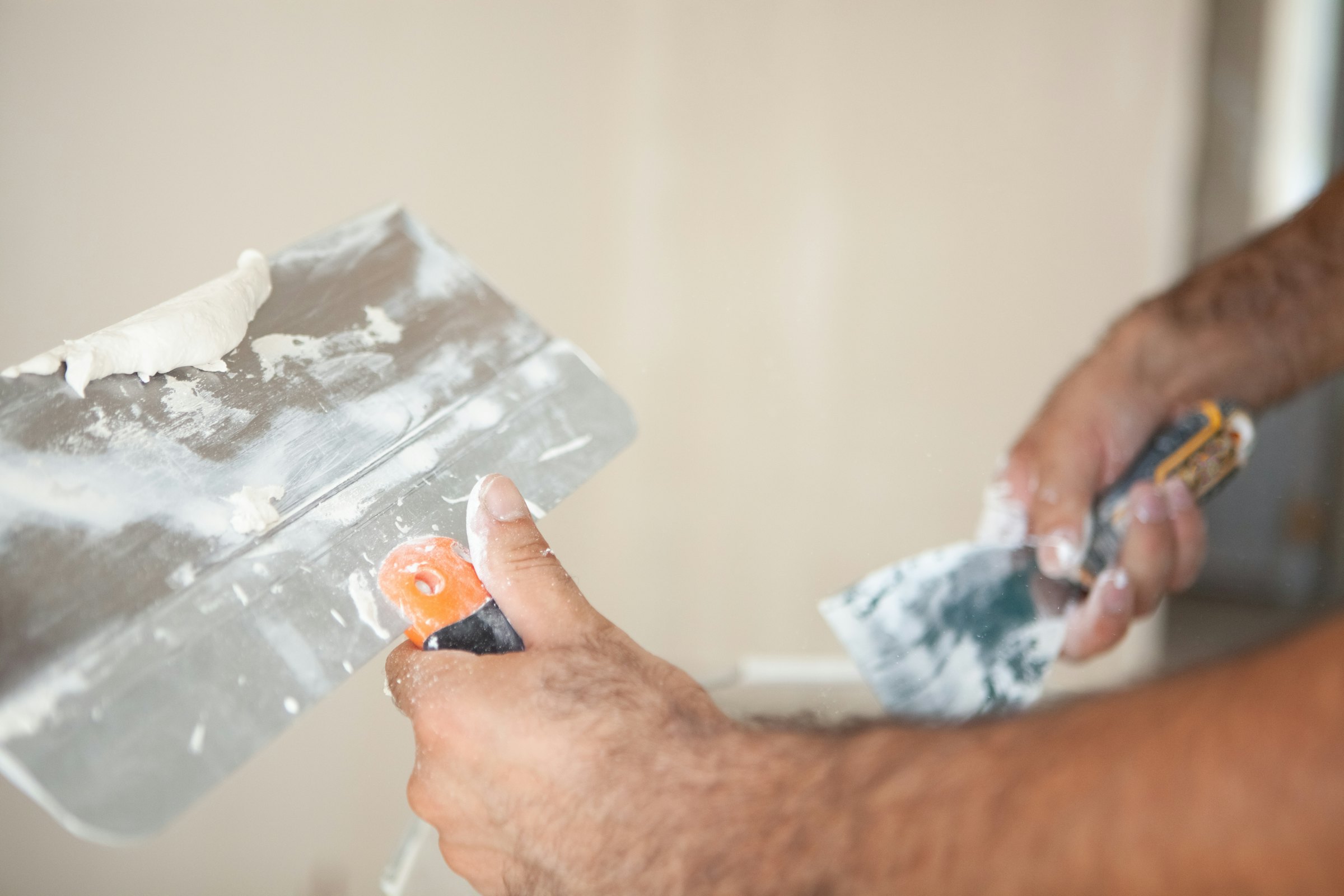
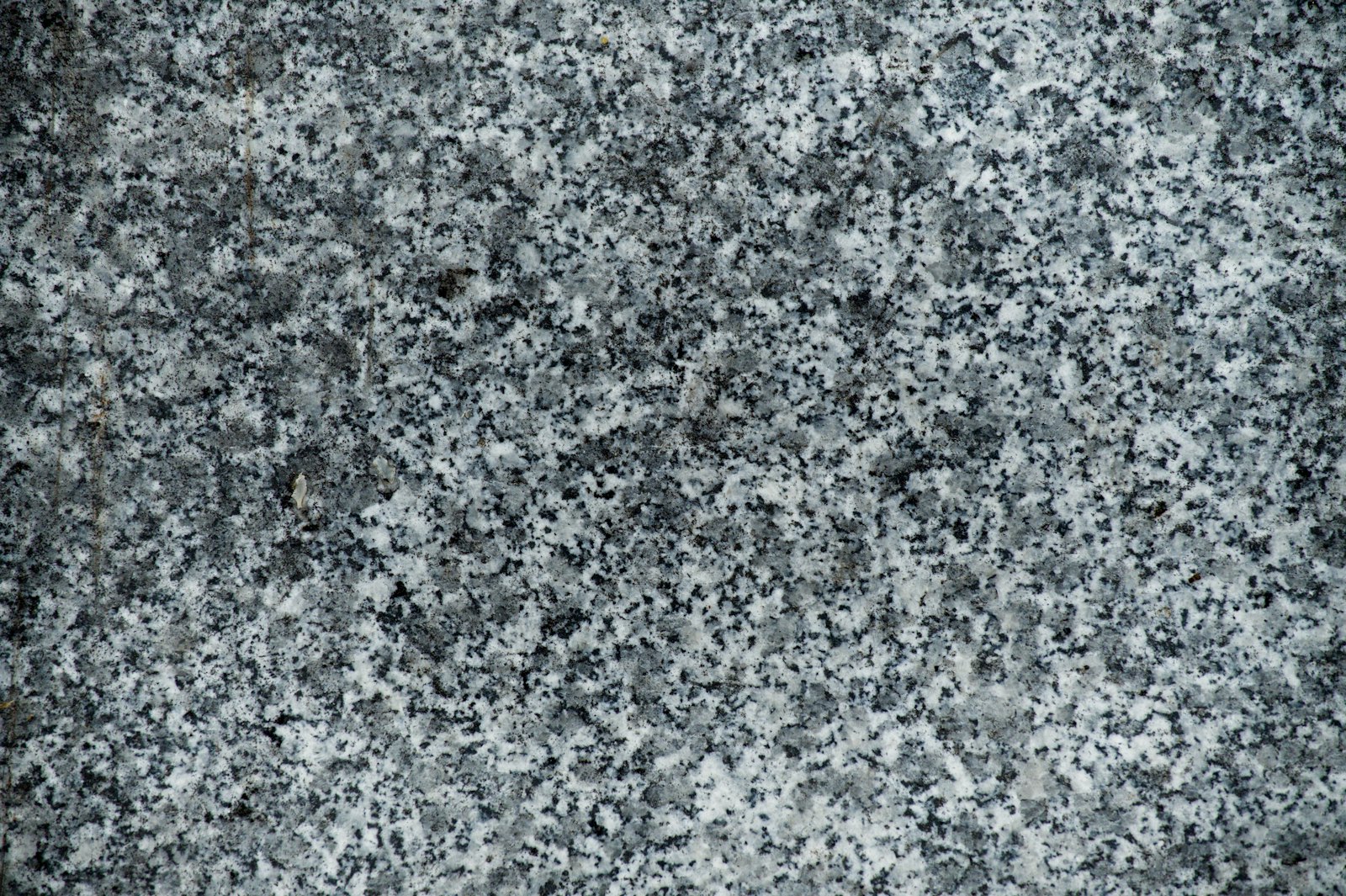
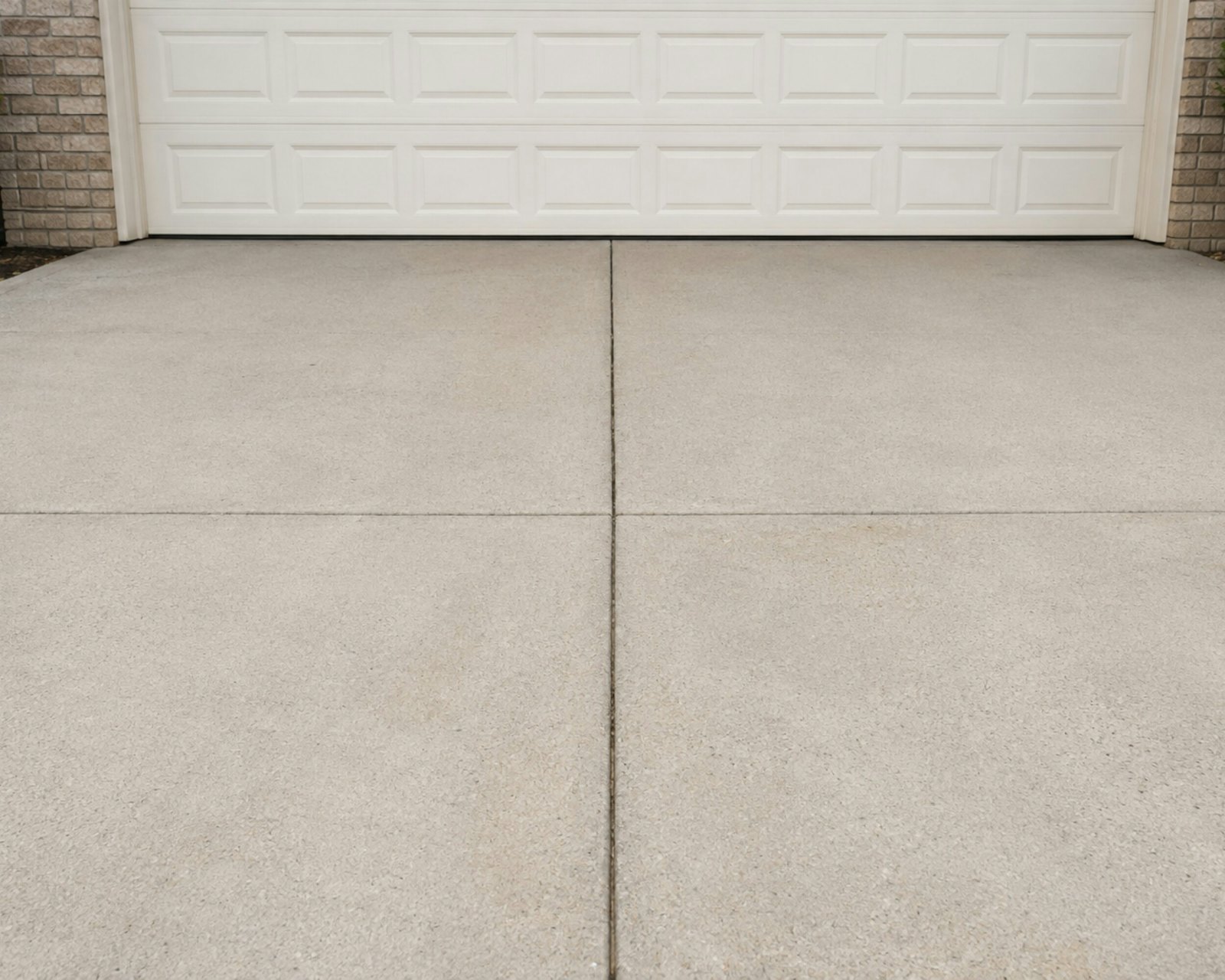
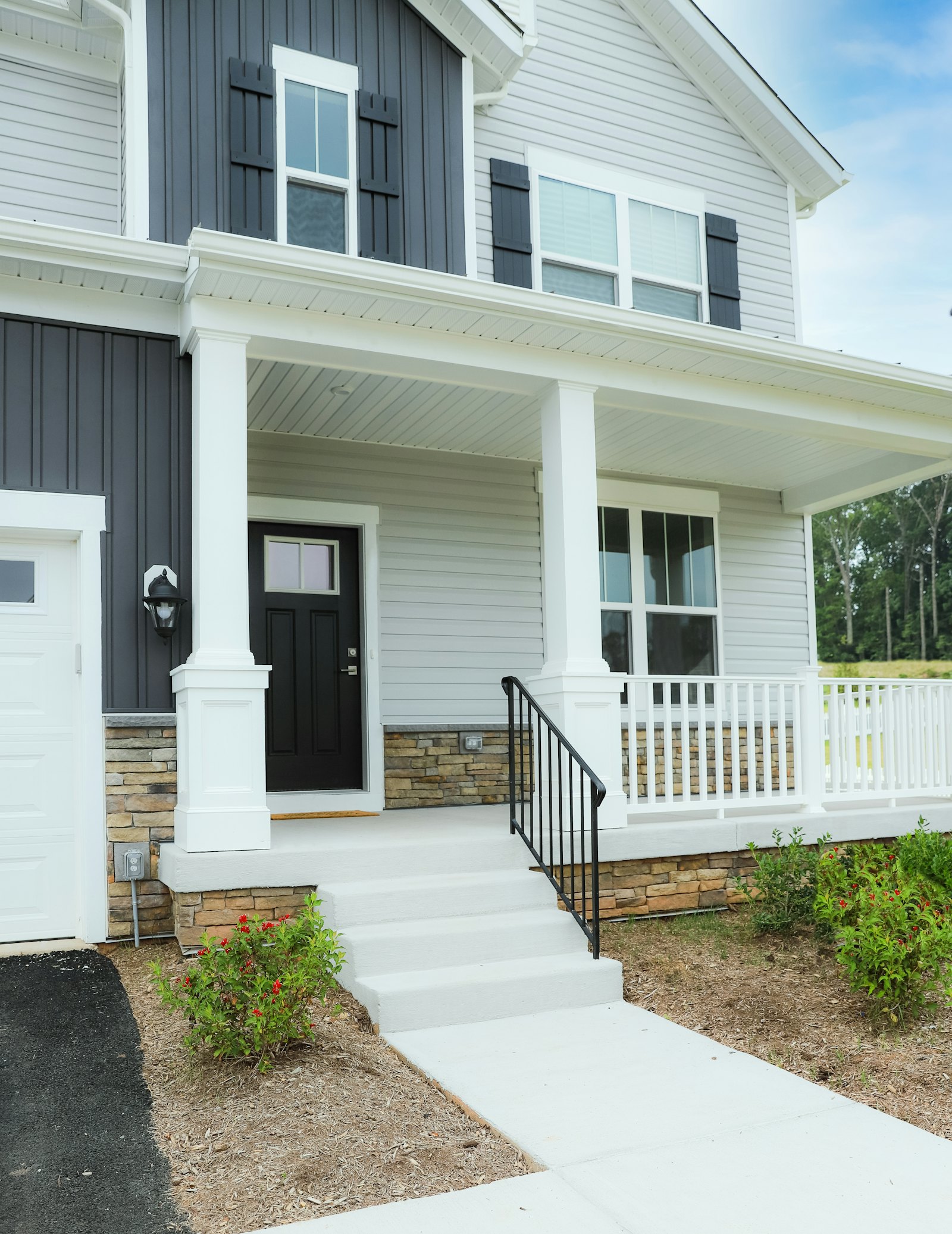
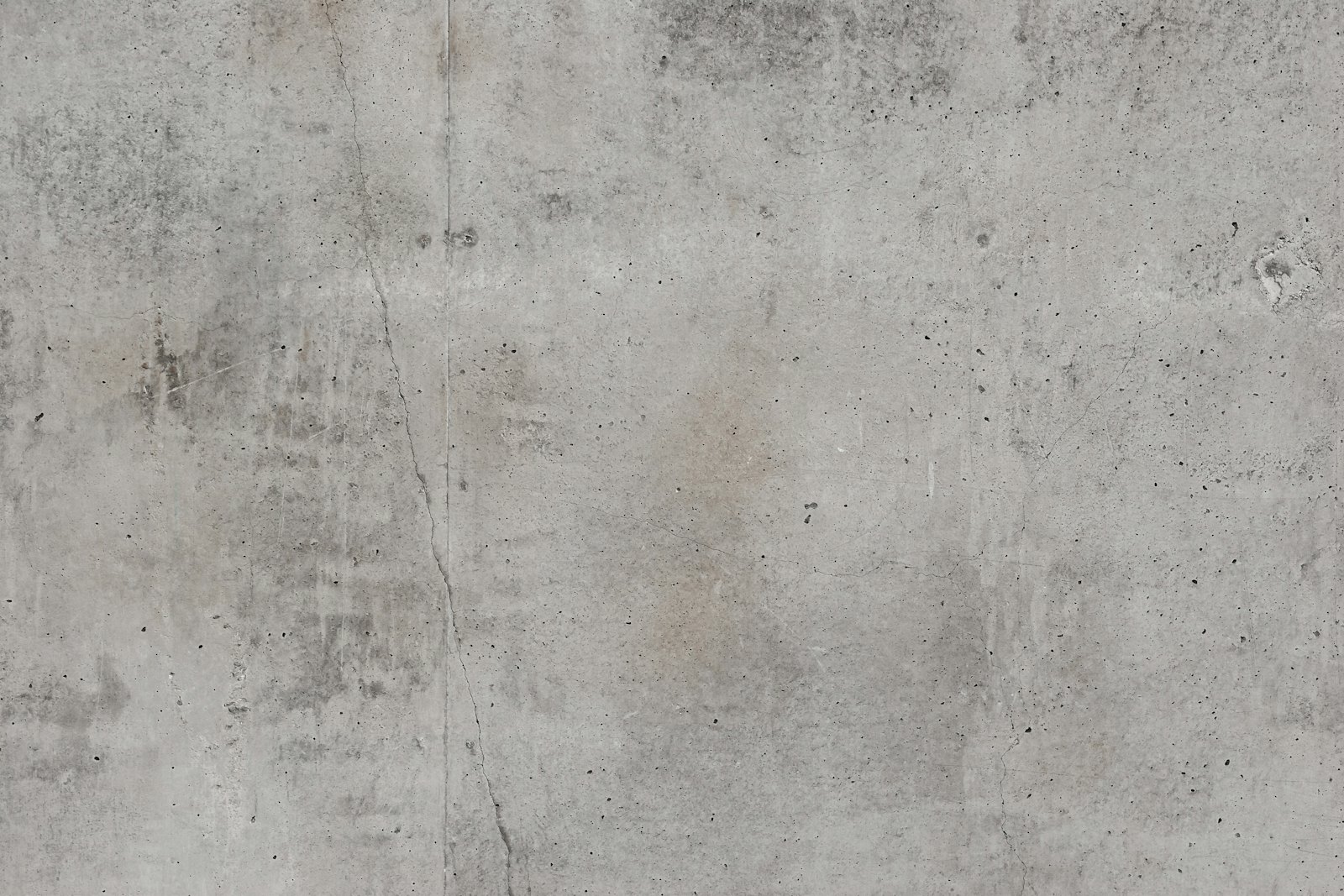
Texture, close up
Pattern, color and texture, up close.
Sample: the company’s own project photos replace these stock images
(04)Process
From sample board to sealed surface
- A1A2A3B1B2B3
Step 1: Samples
Choose a pattern and a color family, and agree where joints, edges and steps will fall.
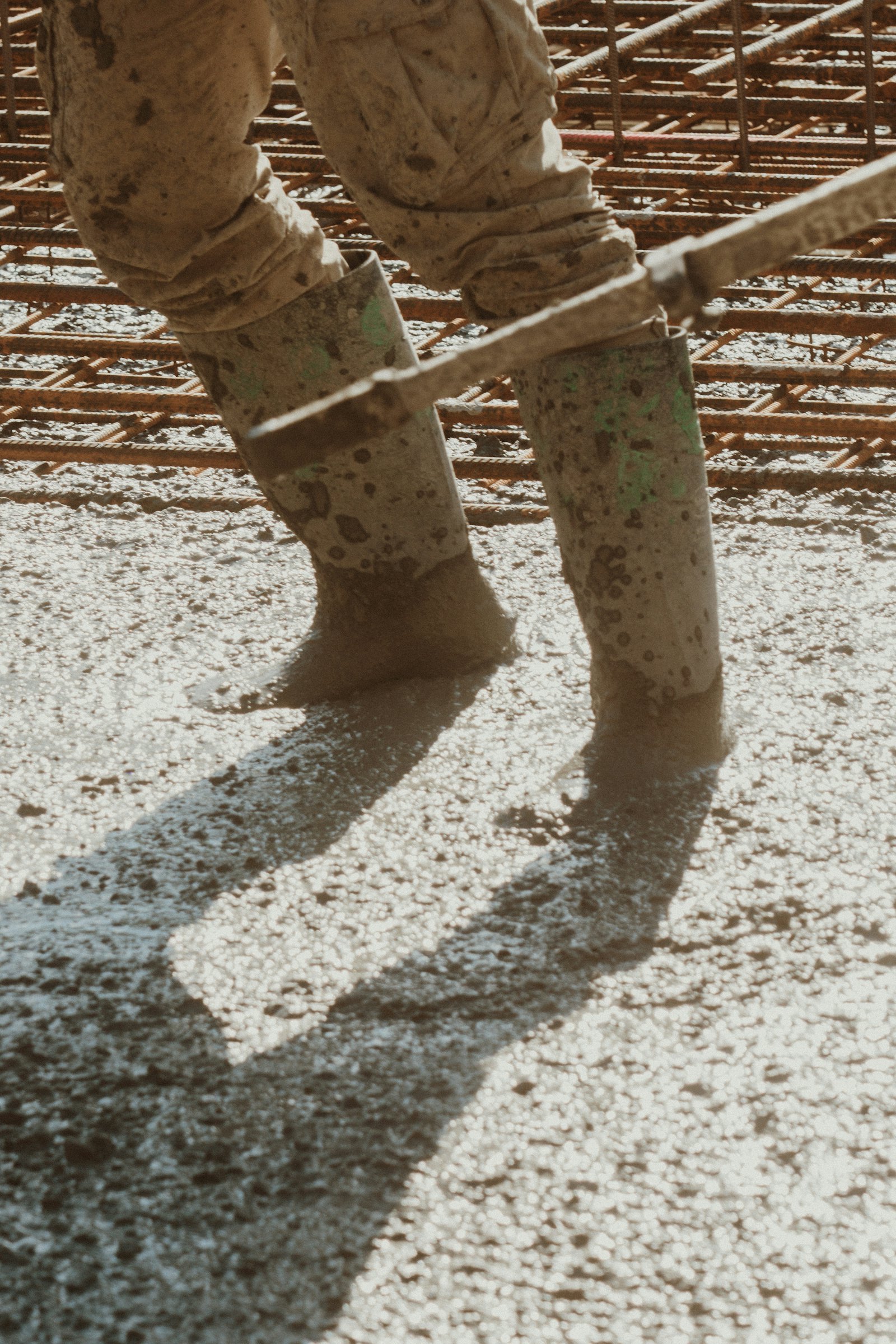
Step 2: Prep
Excavate, grade and compact, then set forms and reinforcement.
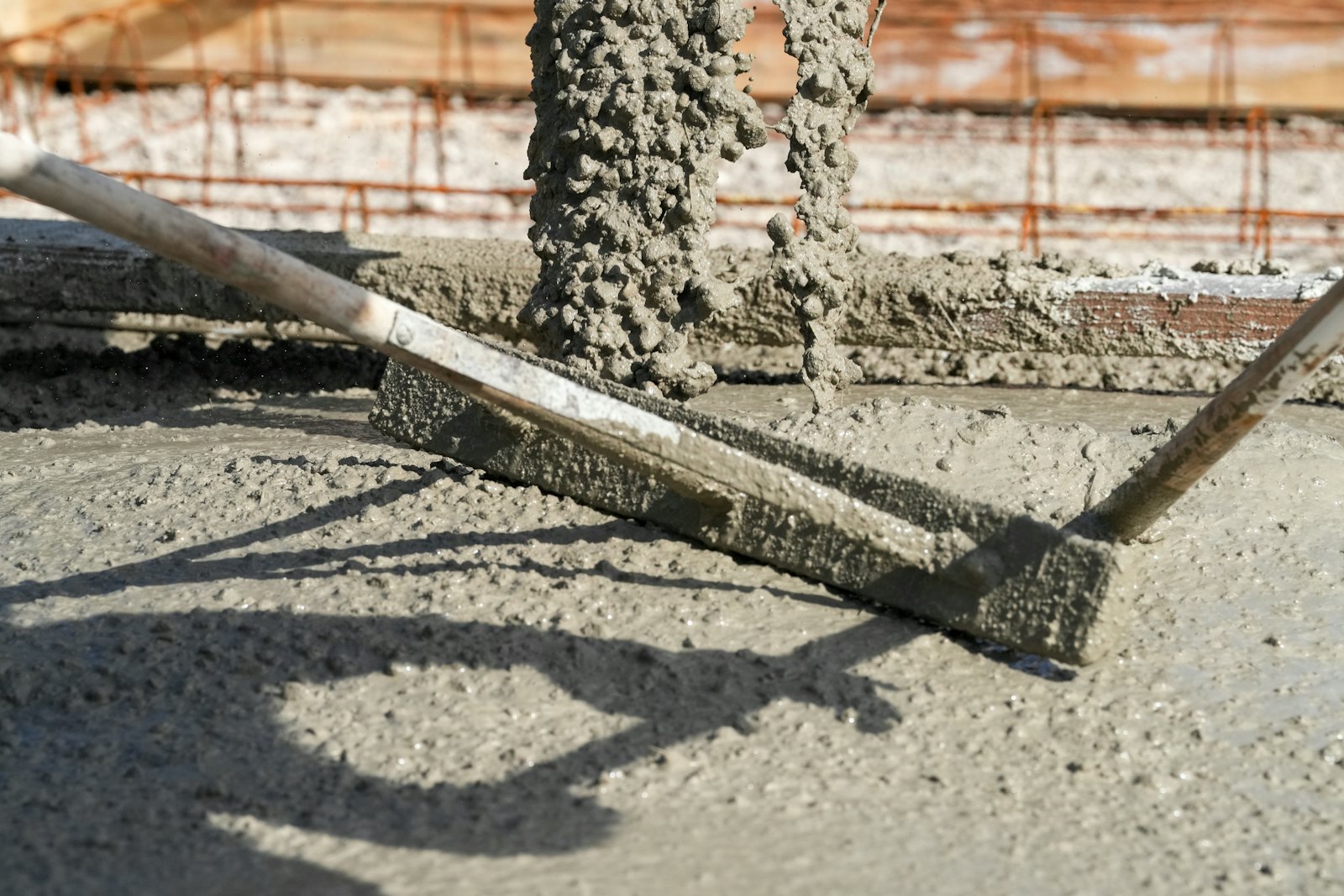
Step 3: Pour & finish
Color, texture and pattern go in during the short window while the concrete is still workable.
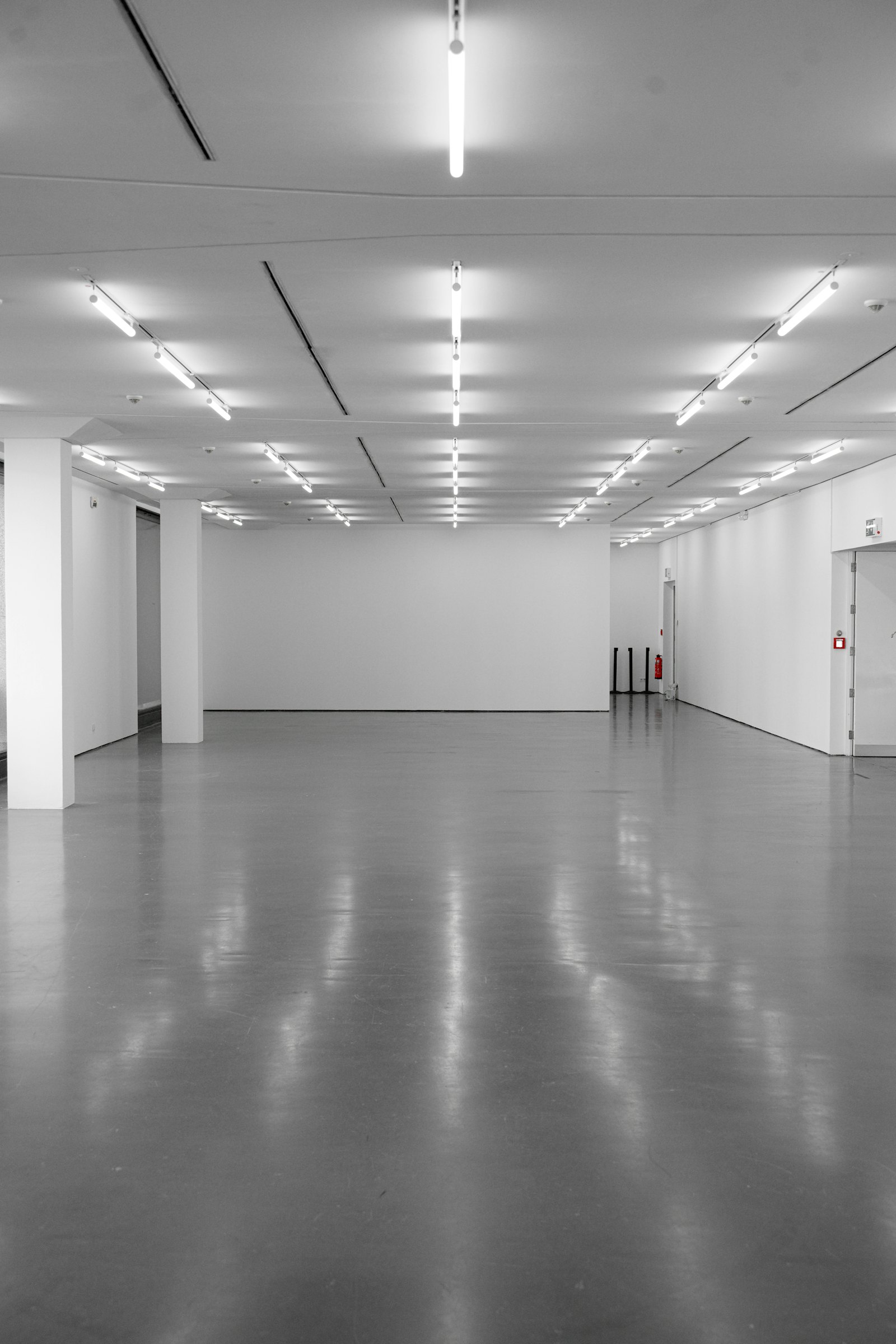
Step 4: Seal
Once it has cured enough, the surface is cleaned and sealed. Then the care guide takes over.
(05)Surfaces
Inside, outside and underneath
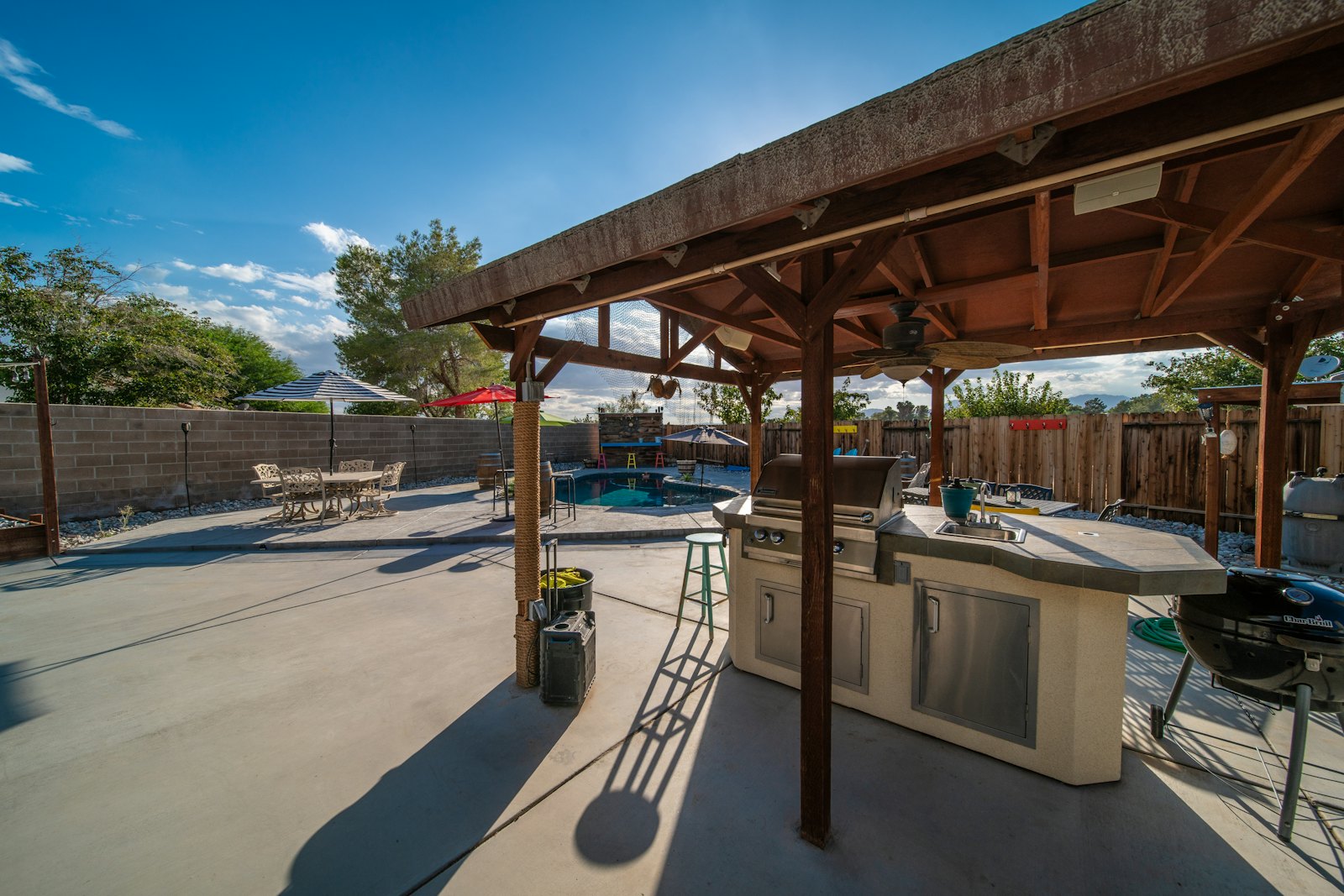
Patios & pool decks
Outdoor surfaces for sitting, dining and pool surrounds, sloped so water runs away from the house.
Walkways & sidewalks
Front walks, garden paths and sidewalks.
Interior floors
Decorative floors and resurfacing indoors.
Countertops & fixtures
Cast concrete countertops and fixtures.
(06)Care
Living with decorative concrete
A finished surface asks for very little, but the first weeks and the first winter matter.
Wait a week before you drive on it
Foot traffic after a day or two, cars after about a week. Concrete keeps gaining strength for about a month.
Hairline cracks are normal
Control joints give a slab a planned place to crack. A fine line inside a joint is the system working.
Reseal every few years
Decorative sealers wear with sun and traffic. A fresh coat every two to three years keeps color deep and stains out.
Go easy on de-icers
Skip de-icing salt through the first winter and avoid ammonium-based products altogether. Sand gives grip without the damage.
(07)Design quote
Tell us about the surface
Share the space, the finish you are drawn to and a rough size. Photos help.
Useful to mention
- Where it goes: patio, path, floor or counter
- Rough size, or length and width
- Colors or patterns you like
- Anything tricky: slopes, drainage, tree roots
Rather talk it through?
(912) 555-0172Savannah, Pooler, Richmond Hill and Tybee Island